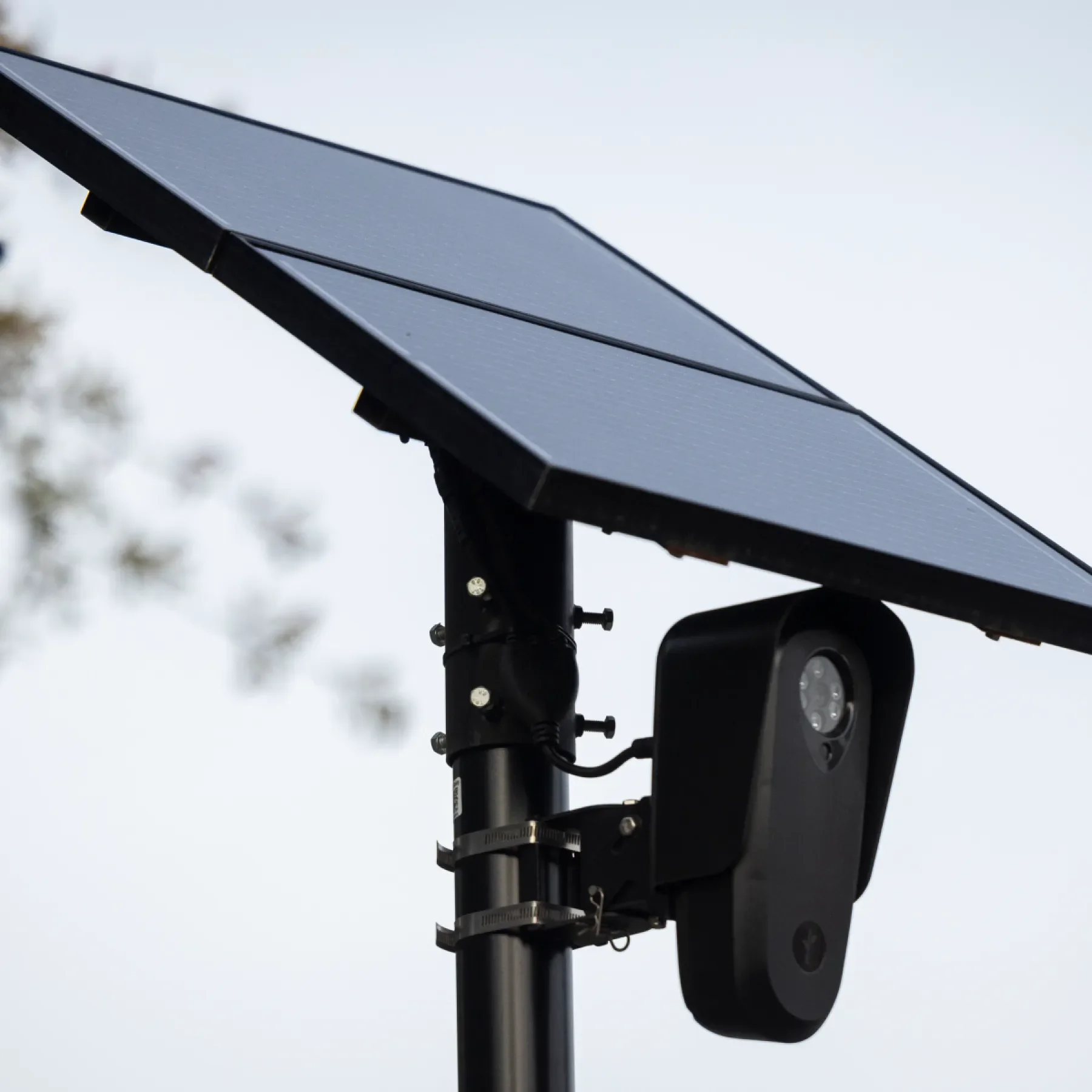
Flock Safety Cameras…
What I Believe:
Keeping Osseo safe is one of the most important responsibilities of our City, and I believe our public safety professionals should have effective tools available to help them do their jobs.
Technology can absolutely be one of those tools.
But when a technology collects information about people moving through our community, I don't believe our conversation can stop at whether that technology helps law enforcement.
We also need to understand what information is being collected, where it goes, who can access it, how long it exists, how it can be shared and what protections are in place to prevent misuse.
Supporting public safety and protecting individual privacy don't have to be competing positions.
But finding the appropriate balance requires us to ask questions—and be willing to reconsider our approach if we're uncomfortable with the answers.
What I’m Hearing:
I've heard from residents on both sides of Osseo's use of Flock Safety cameras.
Some appreciate giving our police department another tool that may help investigate crimes, identify vehicles connected to incidents and potentially resolve cases more quickly.
Others have raised legitimate concerns about privacy, data collection and the larger network that can exist beyond the cameras physically located within Osseo.
I've also been paying attention to how other communities are approaching this conversation.
Friends serving on other metro City Councils are taking a deeper look at Flock as their cities consider the future of the technology. For some, their initial discussions appeared to be moving toward implementation.
Then they started asking more questions.
In particular, they raised questions surrounding the protection, storage and use of the data being collected. When they weren't satisfied with the answers they received, they ultimately chose not to move forward with city-operated Flock cameras.
I think there's something important we can take from this approach.
The willingness to keep asking questions is essential as this conversation shifts into the future.
What I’ll Work Toward:
As Osseo discusses the future of Flock cameras in our community, I want us to have a thoughtful conversation about both their value and their implications.
That starts with some questions I believe are worth asking:
What information are Osseo's cameras collecting, and what information aren't they collecting?
Who can search or access Osseo's data, both inside and outside our police department?
How long is that information retained, and who controls those retention policies?
Under what circumstances can Osseo's information be shared with another agency?
Can agencies outside Minnesota access information collected by cameras in Osseo?
What safeguards prevent inappropriate searches or use of the system?
What happens to our information if policies, ownership or technology change?
What control does the City retain over its data versus what is controlled by the vendor?
What measurable results have Osseo's cameras produced since they were installed?
And ultimately: Are the public-safety benefits significant enough to justify the cost and privacy considerations?
Some of these questions may already have good answers.
If they do, let's communicate those answers clearly to residents.
If they don't, let's find out why.
And if there are questions that can't be answered to the satisfaction of our community, our police department and our City Council, then we should be willing to have a conversation about whether this remains the right technology for Osseo.
I don't think we need to begin this discussion from a position of "Flock cameras are good" or "Flock cameras are bad."
We can start somewhere much simpler:
Show us how they're being used. Show us how our information is protected. Show us the results.
Then we can make an informed decision about what comes next.
That's the approach I'll bring to issues like this on City Council: ask questions, listen to the people who use the technology, listen to the residents affected by it, understand the safeguards, evaluate the results and be willing to change course when the information tells us we should.
Public safety matters… Privacy matters… And residents should be able to expect their City Council to take both seriously.